Wild swimming
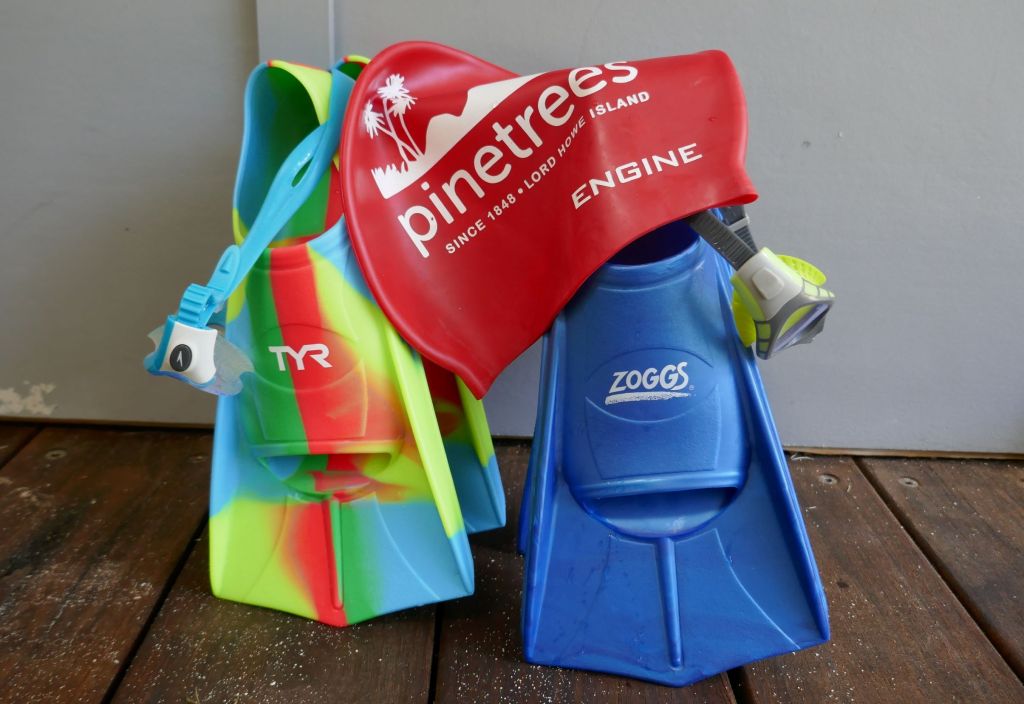
I pull down my goggles and wade into the sea with the “leisurely” swimmers, attempting confidence but feeling slightly anxious on my first ocean swim of the week. Actually, my second ocean swim in life. Mini-fins on, breathing left and right I freestyle off towards the first yellow buoy. I make it in good time, and once everyone arrives we tread water, get our bearings for the next leg and continue on …. and on …. and on. Out of the sheltered bay the water becomes choppy, and I seem to be taking in the sea with every breath. My nostrils burn with sea water, my mouth is briny. Each time we draw close to boat, it moves, tantalisingly out of reach. I glimpse a fellow swimmer to my right and feel relieved – at least I’m not lost – but by this point I’m seriously wondering how much further I can go. At last the boat comes to a stop, and with relief I hoist myself up the ladder. One of the older blokes has a fancy watch (of course he does) and tells us we swam 2.4km. I feel thrilled – I have NEVER swum that far in the pool, let alone in the sea.
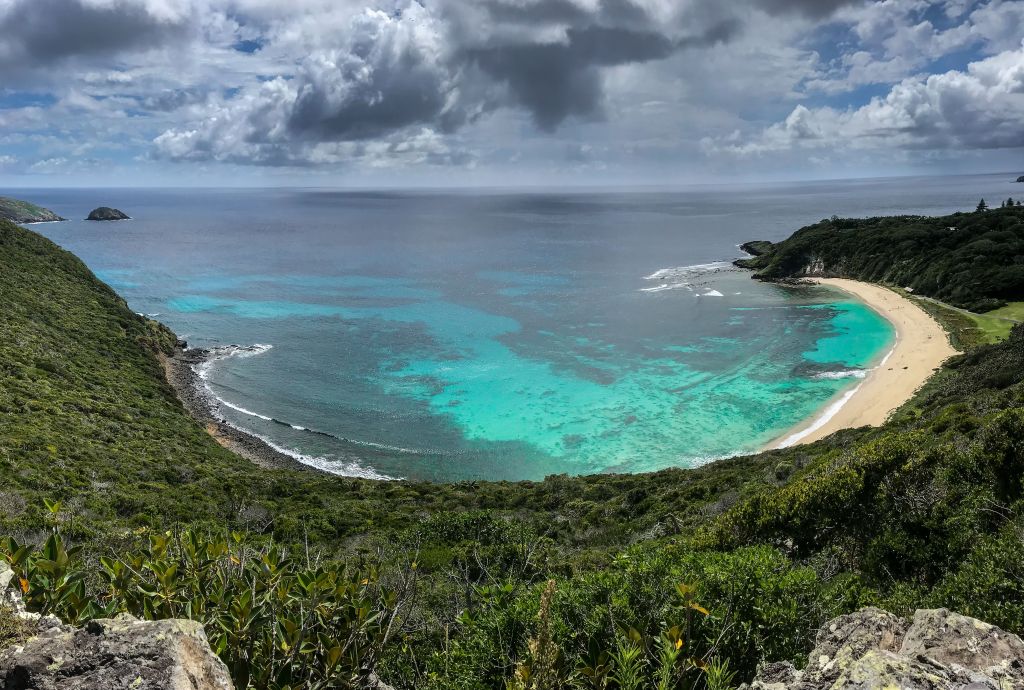
Welcome to Ocean Swim week, Lord Howe Island !
An adventure to celebrate my sister’s 50th and learn more about ocean swimming – all planned 18 months ago, such is the popularity of these weeks. Michele (my sister’s old school friend and my Nepal trekking companion) joined us, but alas her sister was caught by COVID restrictions in Melbourne. The sisters’ trip minus one.
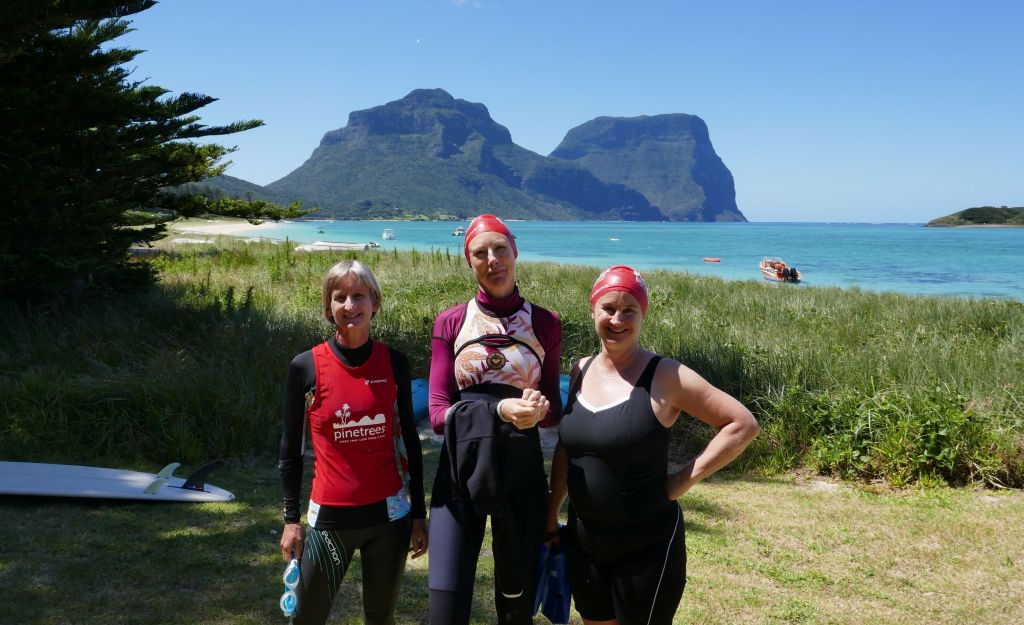
The week is hosted by Pinetrees Lodge and guest stars former World and Australian Ironman Champion, Trevor Hendy, who was there to give us tips on techniques and motivation. A nice bloke, about our age, who gave us one tip each day (breath, hands, stroke, bearings, slip-stream), some in-water guidance on our stroke, and who otherwise seemed to be having a fun time swimming or paddling alongside us, often joined by his daughter and wife. I developed a slight – and very temporary – mini-crush (good looking bloke, attractive wife, perfect couple, happy life doing good (I know, never so simple)) and so was intrigued about his life post surf-lifesaving champions – Google revealed that in addition to an OAM and featuring in various halls of fame, Trevor now coaches elite athletes, gives motivational talks and runs Bootcamp for the Soul, should you be wondering.
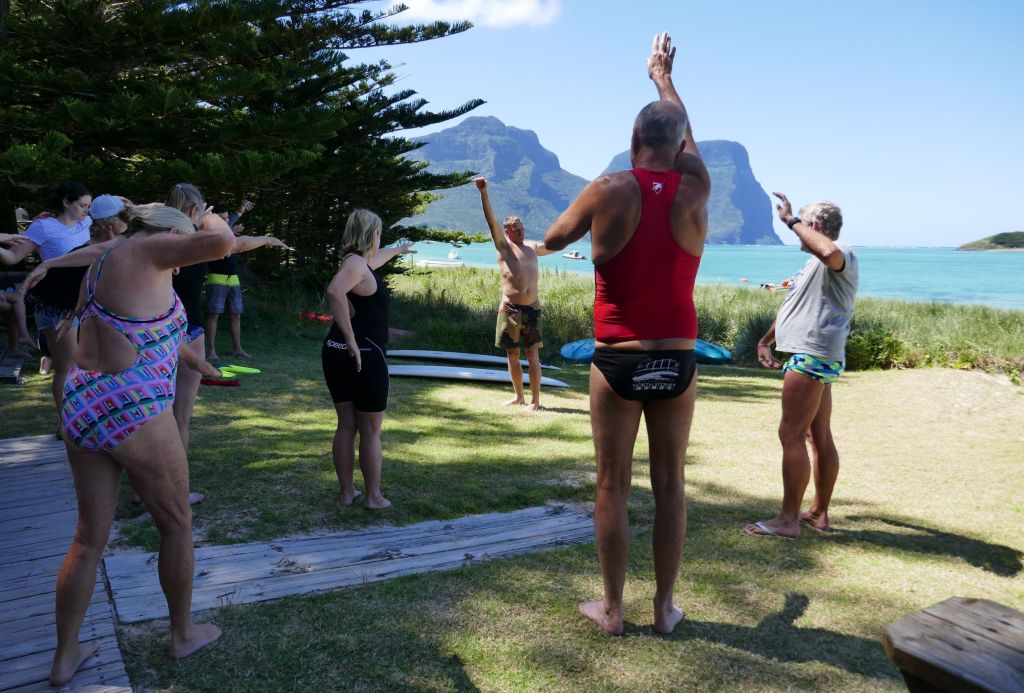
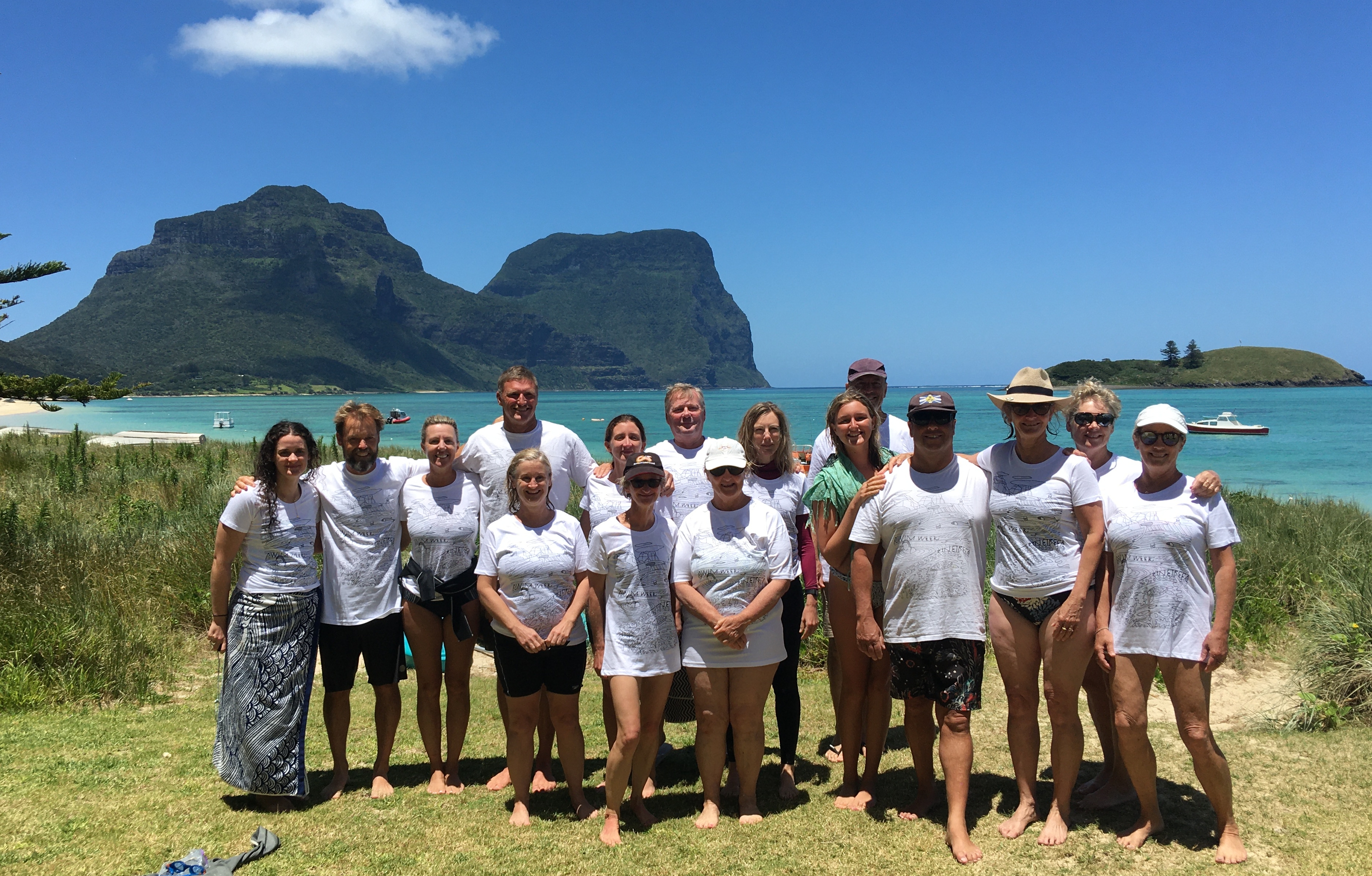
There were 12 in our swimming group, mostly women and in the second half of our lives. We mused this was likely due to the price-tag attached to these weeks! We swam between 1.5 and 2.5 km each day, location dependent upon the weather and availability of a boat – the boat meant we could swim further from shore in the main bay. Two safety crew paddled on boards alongside us and provided encouragement, replaced leaking goggles, and ensured we didn’t drown. My wetsuit and fins gave me the extra edge I needed to stay warm, afloat and forward moving – call it pride, but I did not want to be struggling at the back of the pack.
We swam over beautiful coral and among tropical fish, saw turtles, rays, and even a small shark, and stopped along the way to enjoy the beauty of it all. Ocean swimming doesn’t get much better than this !
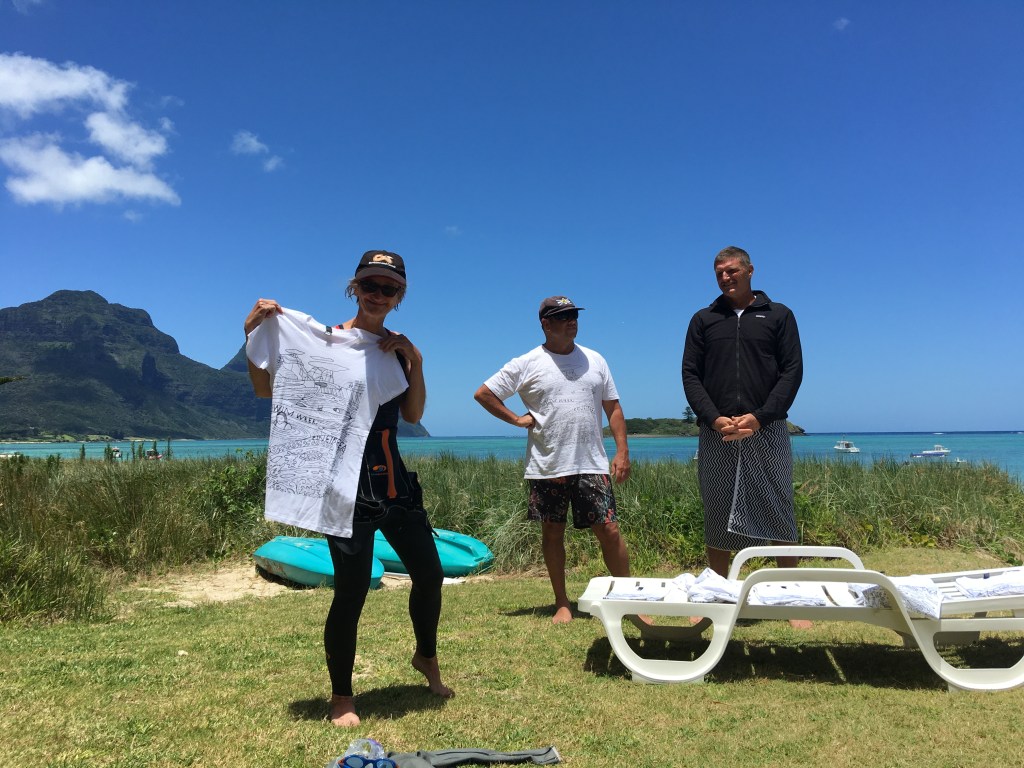
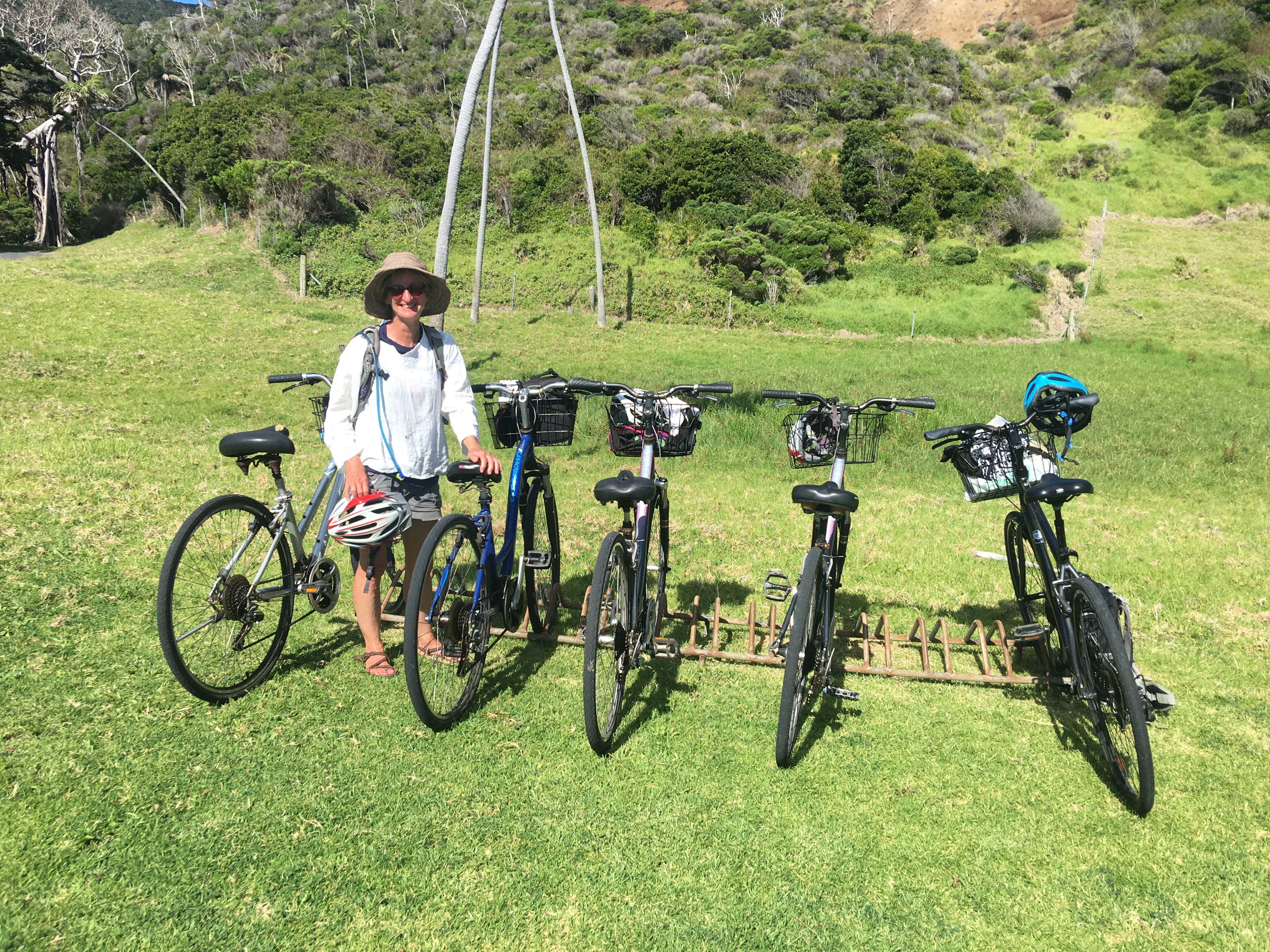
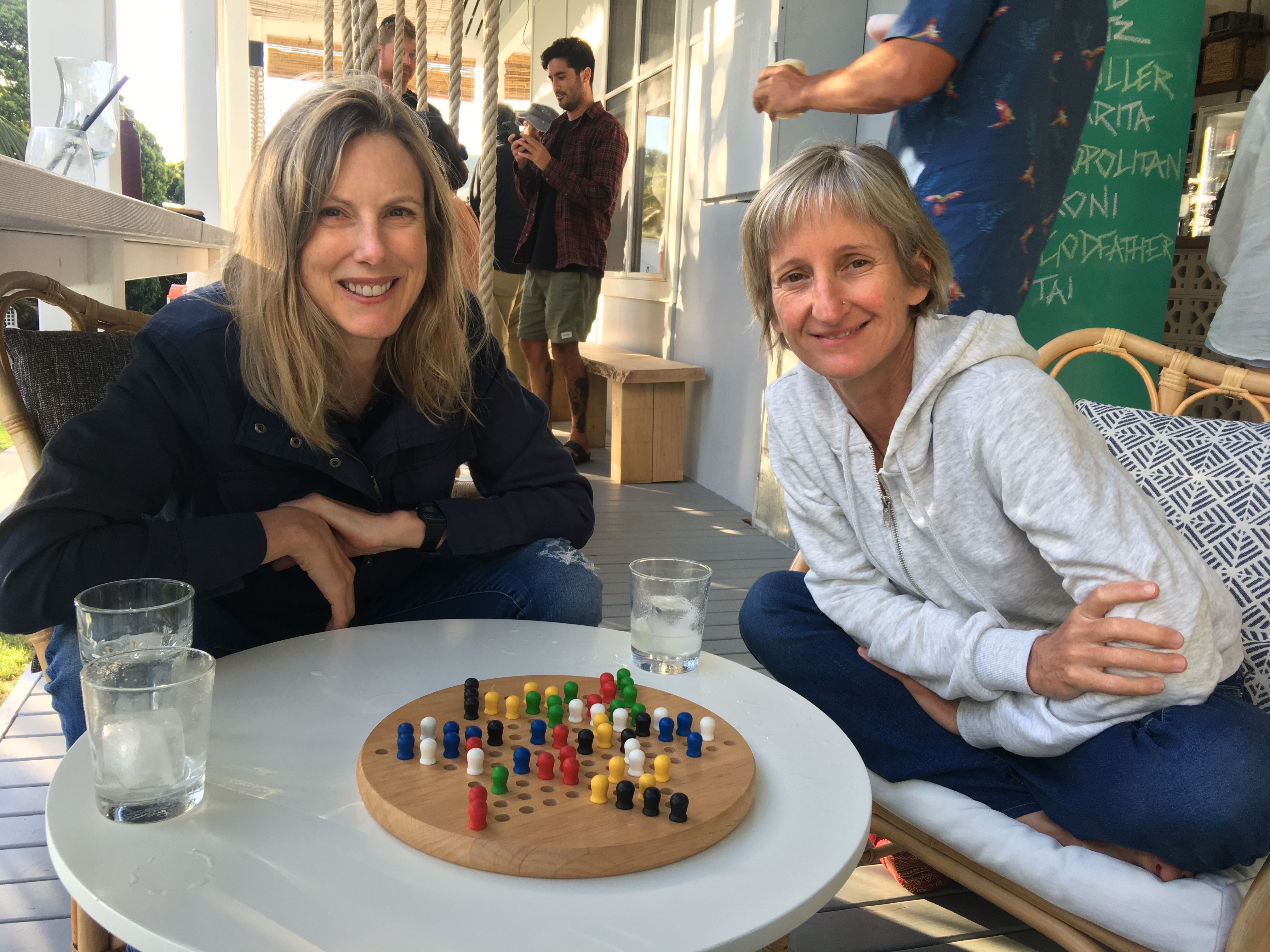
Swimming occupied just a few hours in the day, and so we also read books, dozed, wandered along the beach, walked up hills, and played Chinese Checkers (the french version) while drinking cocktails “in town”. Pushbikes are the main mode of transport for tourist – helmets on and straps done up as instructed by the signs. Accidents are not infrequent, and we saw at least one guy who had his straps dangling, fashion trumping safety. Before you ask, we didn’t venture up Mt Gower, an 8 hour ‘hard and demanding’ guided walk featuring ropes – the timing didn’t work, and quite frankly my energy levels were waning by the end of the week. I did however submerge myself and blow some bubbles, exploring underwater corals and swim throughs
A side note – the food at Pinetrees was delicious! Exceptional quality and abundant, once we’d worked out the tricks for ordering. A BBQ picnic hamper delivered to your location of choice (fire wood supplied) was a perfect way to enjoy lunch. Pinetrees has recently published a cookbook and gave each room a free copy (great marketing), so I can dabble at home when the mood takes me. Alas due to COVID all meals were brought to our rooms (each room had a small front area with a table/chairs), which kept us safe but meant less socialising and often lengthy dinners.
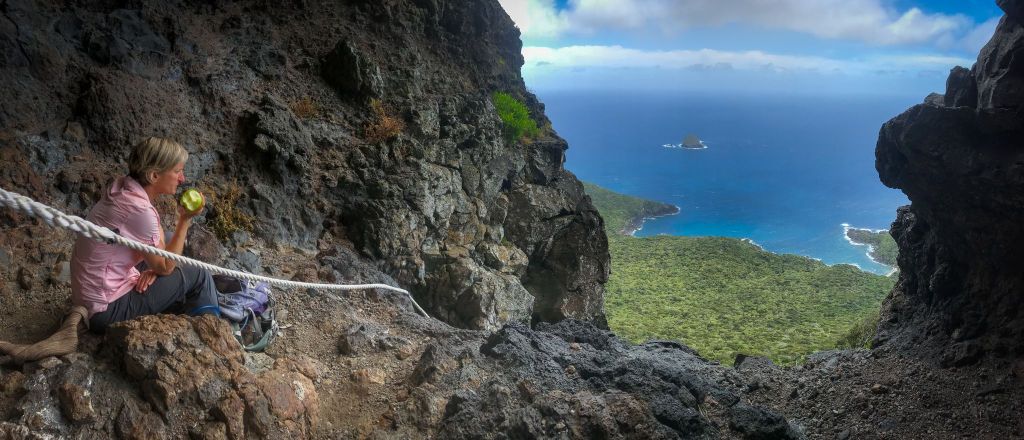
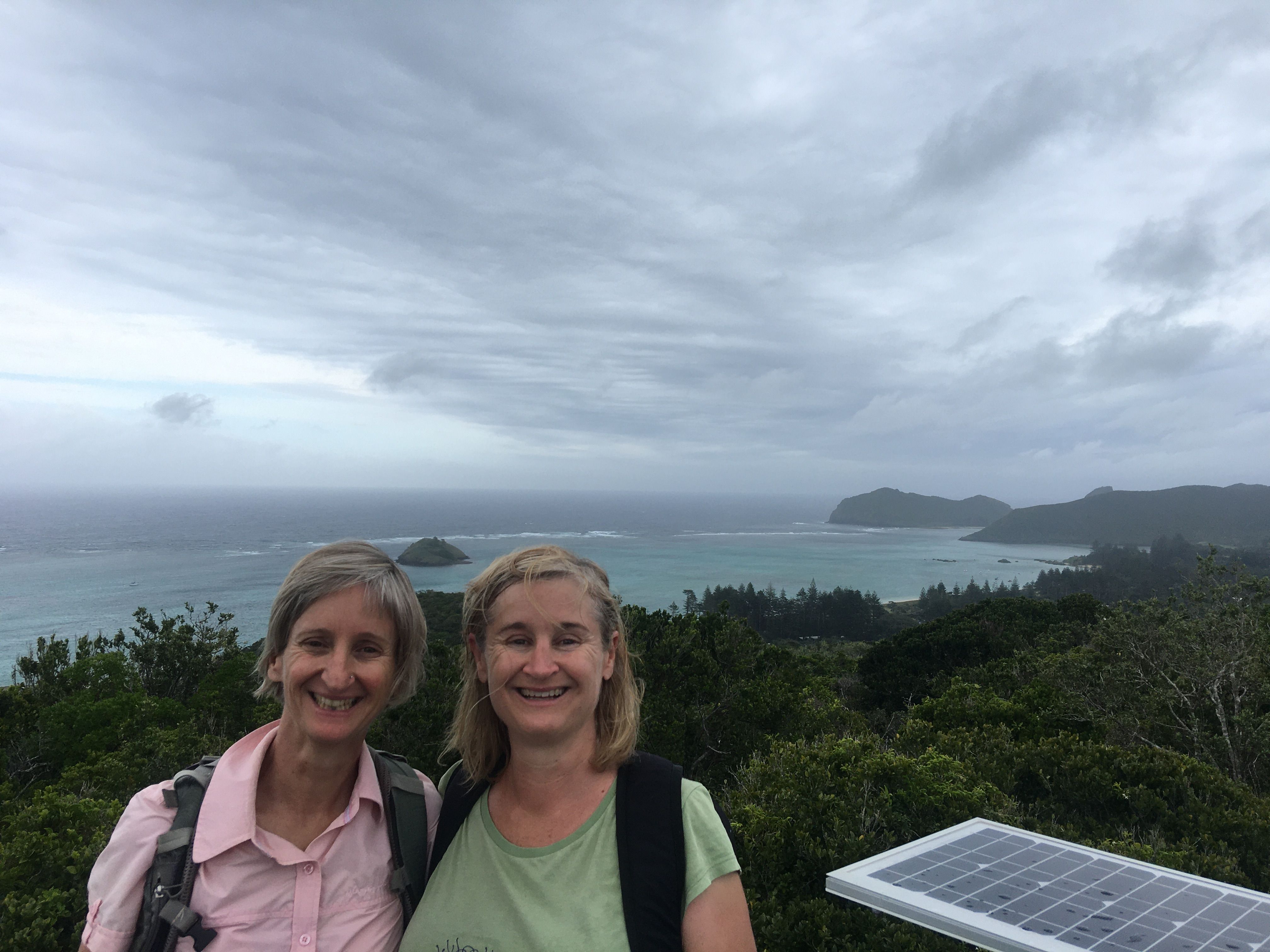
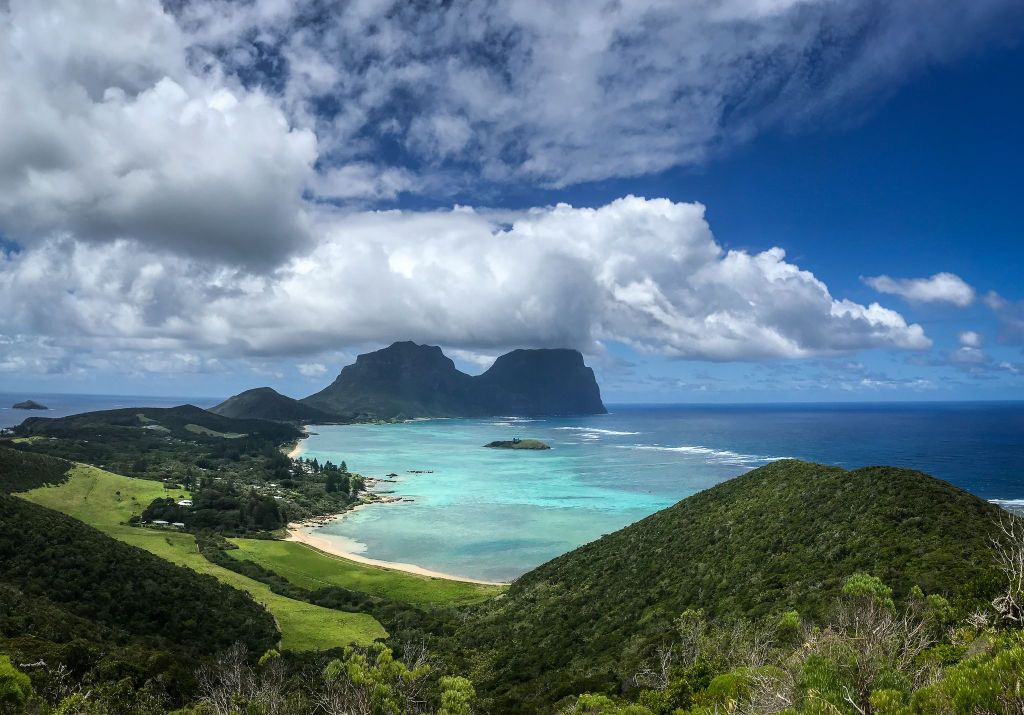
Lord Howe Island Group is just 600km east of mainland Australia (think east of Port Macquarie), and is a World Heritage Site, listed as an outstanding example of oceanic islands of volcanic origin containing a unique biota of plants and animals, as well as the world’s most southerly true coral reef. It is home to the famous Kentia Palm and the Lord Howe Island Phasmid, a stick insect thought to be extinct but found clinging to a small clump of melaleuca on Balls Pyramid a few years ago.
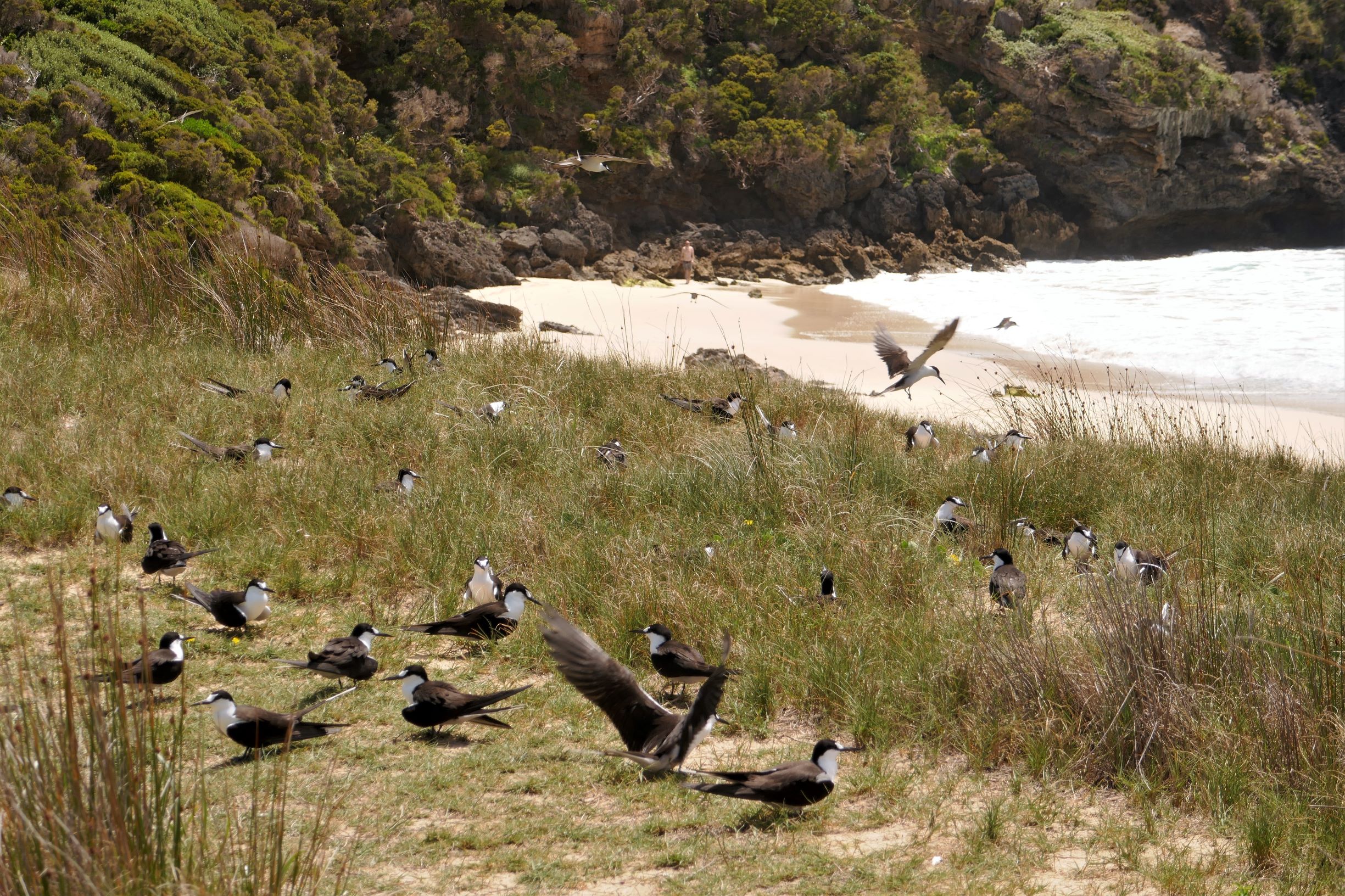
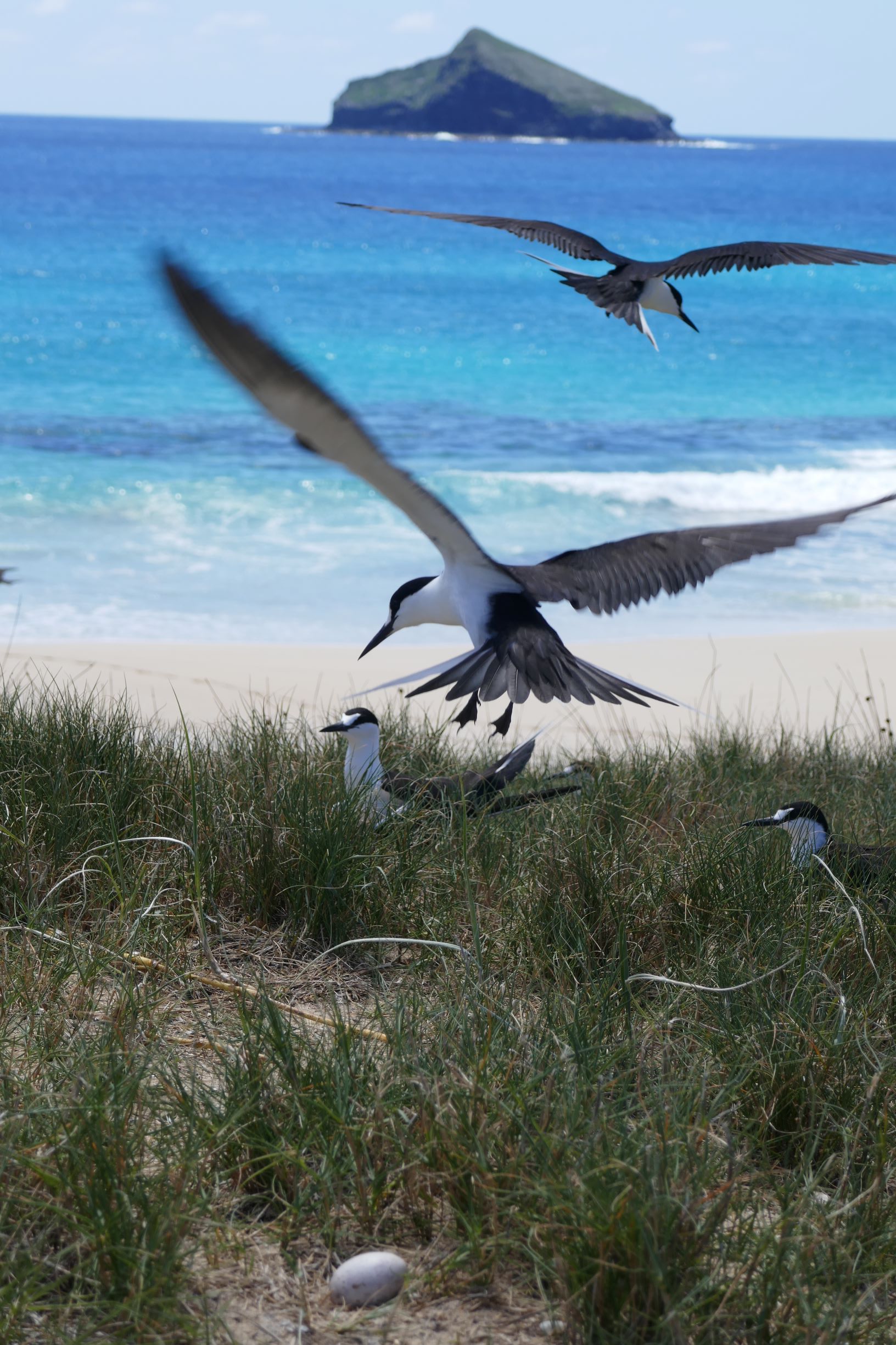
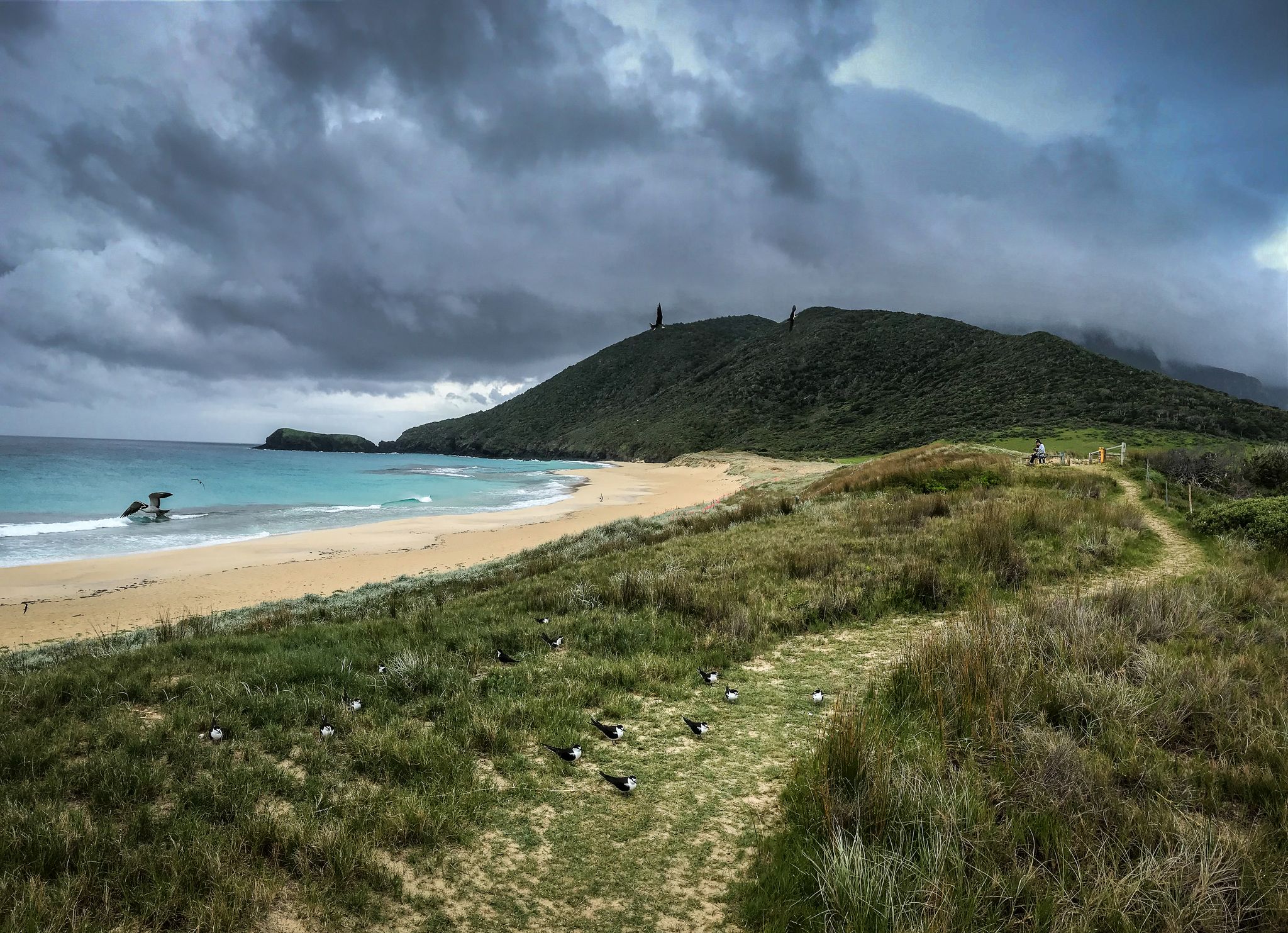
The Sooty Terns were nesting, and the sand dunes were smelly and noisy with fluffy baby chicks
Sadly, a number of species have gone extinct since the island was first ‘discovered’ in 1788 by HMAS Supply. Birds hunted by visiting whalers in the 1800s, plants grazed by introduced goats. Rats arrived by boat in 1918 and wreaked havoc (five land birds were extinct by 1930, just 12 years); the Masked Owl, introduced to control rats in 1920, in turn outcompeted the Lord Howe Island Boobook (see below). It’s a sad tale.
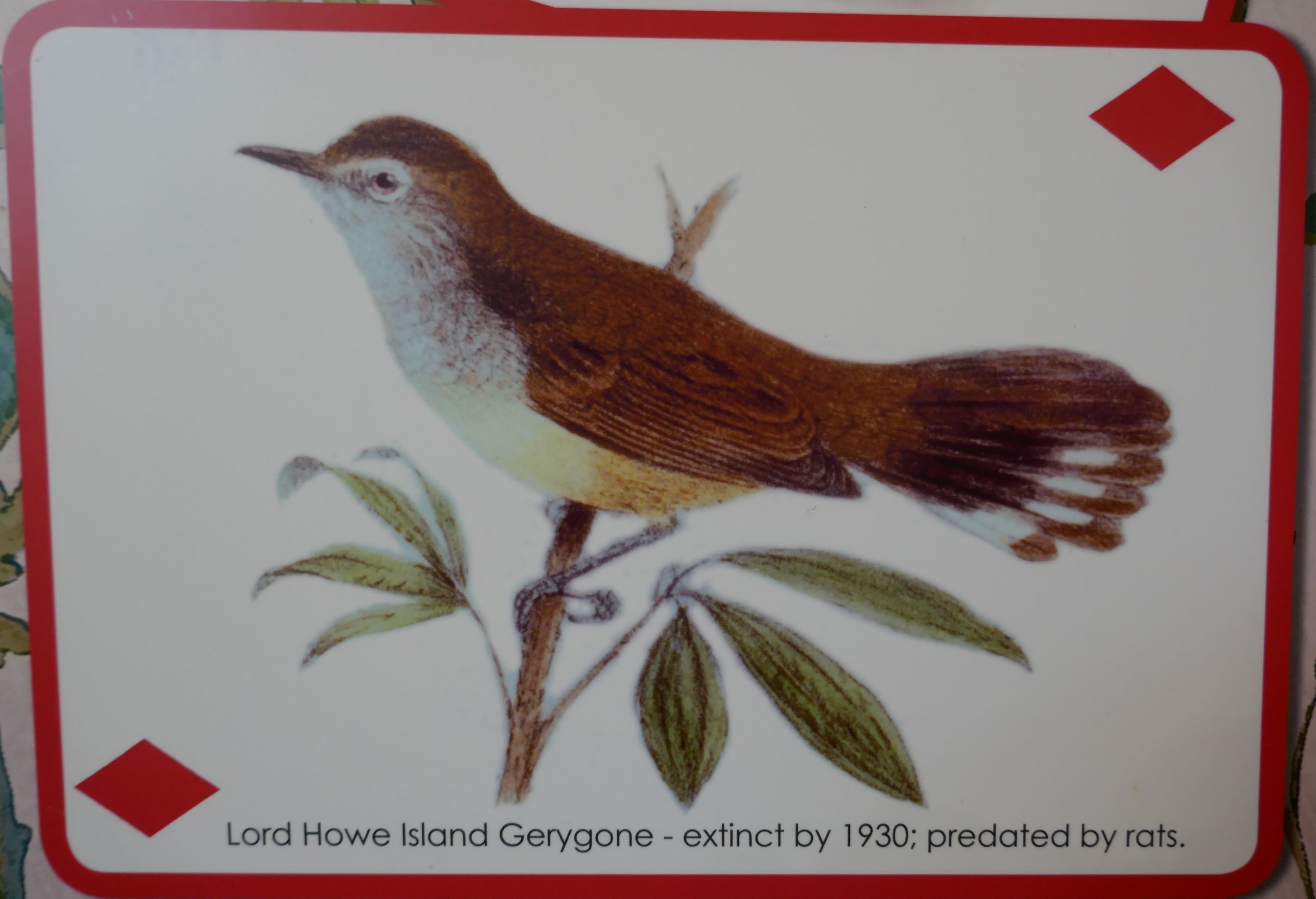
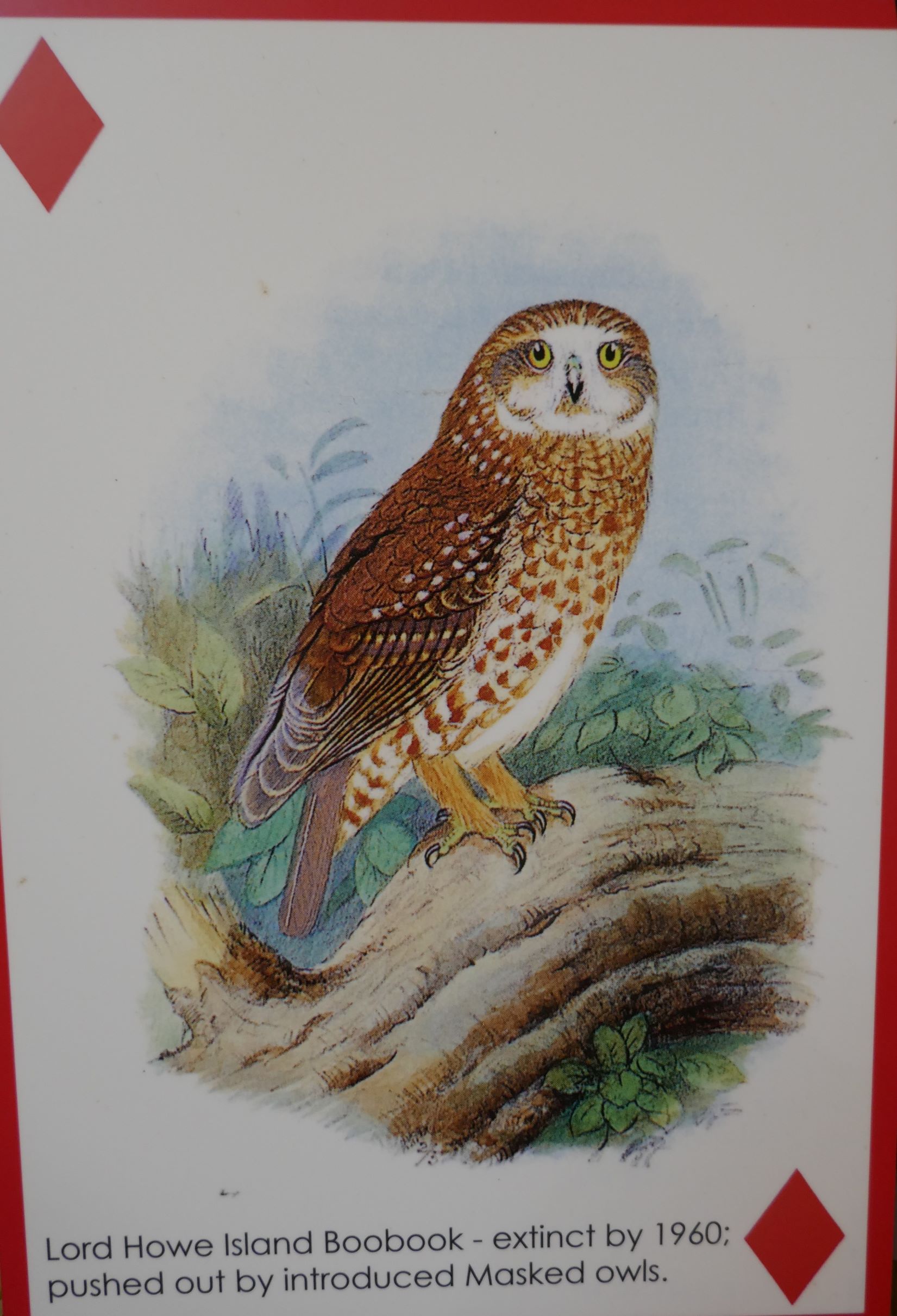
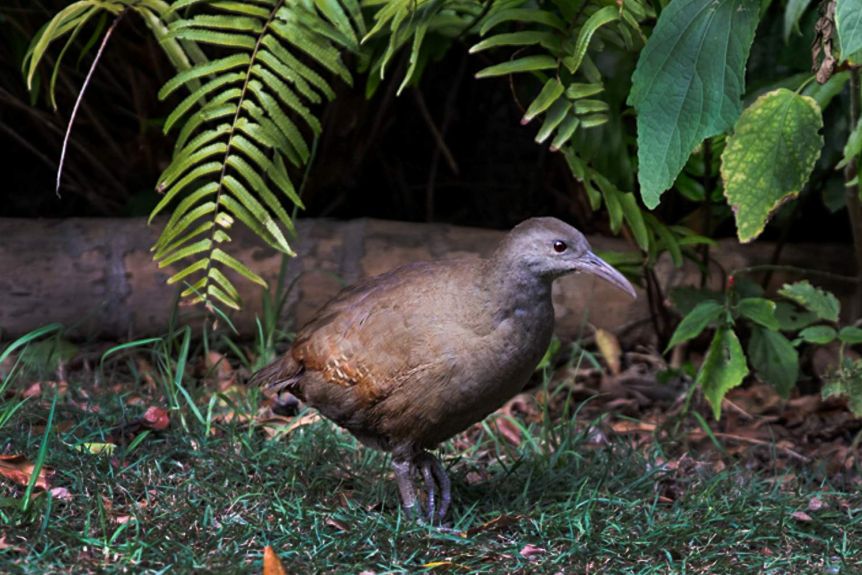
Woodhen – photo courtesy (ABC News: Mridula Amin)
Restoration started in the 1970s – 1980s: goats, cats, and pigs removed. The most recent success is rodent eradication (estimated numbers pre-baiting were 210,000 mice and 150,000 rats – 1,000 rodents for every local resident) – years of research, planning and community consultation, costing over $10 million. The endangered woodhens (above) and many of Lord Howe Island’s currawongs were captured and placed in captivity before the rodent eradication began mid-way through 2019, returned once the baiting was complete. The results – Lord Howe is rodent free and the woodhens are happy!
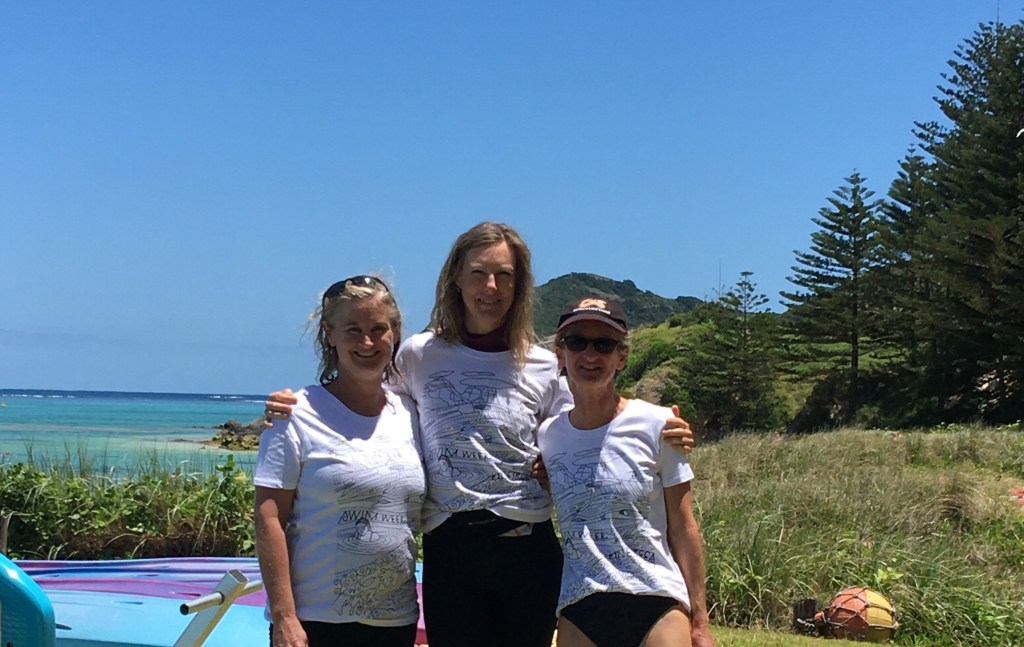
What a wonderful experience this was, especially given the tough year it’s been. A chance to stretch myself and satisfy my curiosity about the whole ocean-swimming thing, celebrate my sister’s 50th and enjoy the beauty of Lord Howe Island. While I haven’t caught the ocean-swimming bug (inland Canberra doesn’t lend itself to a new ocean passion), I will definitely do it again. Already fully booked for 2021 ….
Photos courtesy of us all, November 2020
Categories: Uncategorized

